A GENTLE SPACE FOR THE DAYS THAT FEEL LIKE TOO MUCH
A moment for your spirit
There is grace for you here.
Bring your honest questions and your tired heart. Read each passage in your preferred Bible and take what is helpful.
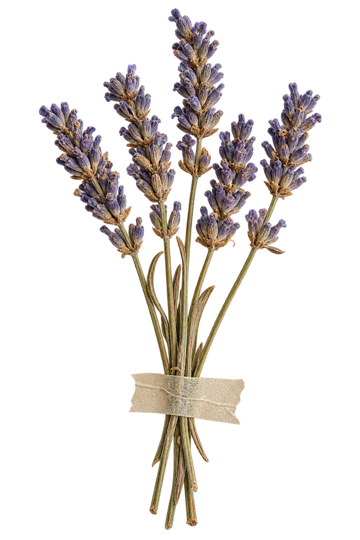
Lavender · a little peace, each time you let go.MATTHEW 5:3
You Can Give It Back Again
Have you ever given everything to God, only to feel like a failure when you pick up the same anxious thoughts, self-doubt, and yoke of shame again?
Remembering that you can give it back to God every time you pick it up can bring a little peace. Returning to Him is something you can do again and again. The thoughts coming back doesn’t mean you’ve failed.
Peace can grow as we learn contentment and remember that God welcomes us with the burdens we were never meant to carry alone. We don’t have to surrender perfectly to come into His presence.
Matthew 5:3 invites us to reflect on being poor in spirit—recognizing our need for God. We can come to Him with that need, even when it feels familiar, unfinished, or messy.
Reflect: How do I feel when I revisit overwhelming thoughts and feelings? Do I instinctively run to the Father, or do I grip them tighter?
Prayer: Jesus, I know You are there to steady my hand and lighten my burden. Please remind me to loosen my grip and find peace in Your presence. Amen.
Chamomile · a gentle rhythm that can be your own.PSALM 119:105
When My Quiet Time Doesn’t Look Like Anyone Else’s
Maybe you’ve pictured what your Bible-reading time should look like: a quiet house, a warm drink, an open Bible, and enough uninterrupted time to really take it in. You want that time with God. But wanting it and being able to make it happen aren’t always the same thing.
You sit down to read and suddenly remember something you need to do. You reach for your phone to look up a verse and find yourself somewhere else entirely. You read the same paragraph several times because the words aren’t quite settling. Or you miss a few days, feel behind, and find it harder to open your Bible again.
Then comes the guilt. If this matters so much to me, why is it so hard to do consistently?
When executive-function difficulties affect your day, the steps involved in Bible reading can feel much bigger than they appear from the outside. Choosing where to begin, getting started, shifting your attention, keeping your place, and remembering to return can each take effort. Difficulty with those steps doesn’t, by itself, tell you anything about the sincerity of your faith.
You can care deeply about Scripture and still need a different way to approach it. Reading fatigue, distraction, and a routine that keeps falling apart deserve a thoughtful response, rather than another reason to be disappointed in yourself.
A light for the next step
Psalm 119:105 describes God’s Word as a lamp for our feet and a light for our path. As you reflect on that picture, consider the next step you can actually take today. You don’t have to solve your entire Bible-reading routine before opening a passage.
Perhaps today’s step is reading a few verses slowly. Perhaps it’s listening to a short passage while sitting comfortably, then pausing to think about what you heard. You might stay with the same passage for several days because you want time to understand it. Reading the surrounding verses can help you keep its meaning in view.
Make it easier to return
Try choosing your next passage before you finish, then leave a bookmark there. Keep your Bible somewhere easy to reach. If deciding what to read is the hardest part, pick one short section to return to this week instead of making that decision every day.
You could connect reading with something that already happens, like your first cup of coffee. That can be an invitation rather than a rule: if the morning gets away from you, another moment is still available. If audio helps you engage, listening counts as a way to spend time with Scripture, too.
On a day when writing feels like too much, you can simply ask, “What does this passage show me about God?” You don’t need a beautifully filled journal page to have paid attention.
And when you miss a day, you can return without making yourself catch up first. Choose a manageable place to begin again. If a routine repeatedly leaves you discouraged, consider what needs adjusting: the time of day, the length of the passage, the format, or the expectations you’ve attached to it.
Your quiet time can be sincere even when the room isn’t quiet and your attention wanders. There is room to keep learning what helps you engage with God’s Word—and to meet yourself with grace while you learn.
Reflect: What part of Bible-reading time is hardest for me: choosing a passage, getting started, staying focused, understanding, or returning? What is one small change that could make that step easier this week?
Prayer: Lord, I want to know You through Your Word. Help me recognize the difference between what supports me and the expectations that leave me ashamed. Guide me toward a manageable next step, help me understand what I read, and give me grace to return when my routine falls apart. Amen.
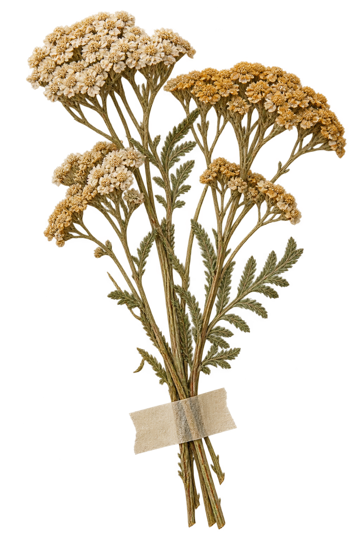
Yarrow · tenderness for the places still healing.PSALM 31:7
Bring Him the Messy Parts
God knows your heart. He knows what you are going through. Bring it all to Him—the messy, the sorrowful, and the self-inflicted emotional wounds.
He wants you to bring it to Him so He can carry you. Let Him.
Shame can make us edit our prayers. We talk about the things that sound reasonable, while hiding the thoughts we regret, the mistakes we keep replaying, or the pain we think we should already be over. We may wonder whether we have the right to ask for comfort when our own choices played a part in what happened.
Psalm 31:7 speaks of God seeing affliction and knowing the troubles of the soul. As you read it, consider what it means to be known in the middle of your distress. You don’t have to explain your pain perfectly for God to see it.
Bringing Him the messy parts might begin with one honest sentence: “I’m ashamed of this,” “I don’t know how to forgive myself,” or “I’m hurting, and I don’t know what to do next.” You can start there, without forcing a cheerful ending onto the prayer.
If there is something you need to take responsibility for, ask for help with the next faithful step. That may mean apologizing, making a repair, or speaking with someone trustworthy. Receiving compassion and taking responsibility can happen together.
For today, consider naming one thing you’ve been avoiding in prayer. Write it down if that helps, or say it quietly. You don’t have to resolve the whole story before bringing it into God’s presence. There is room for an honest beginning.
Reflect: What pain have I kept from God out of shame?
Prayer: Jesus, please help me see Your love for me, even when I can’t love myself.
Cornflower · a small reminder of hope in heavy seasons.MATTHEW 11:28–30
When you’re carrying too much
When everything feels heavy, you can bring your whole self to Jesus, including the parts of your day you don’t know how to explain. You don’t have to make your feelings sound pretty before you pray.
Perhaps the weight is made up of ordinary things that have gathered over time: decisions, appointments, unfinished work, family needs, and the effort of holding yourself together. Nothing seems big enough to explain how tired you feel, yet together it has become more than you can comfortably carry.
In Matthew 11:28–30, Jesus invites the weary to come to Him. He describes Himself as gentle and humble in heart. Spend a moment with that description. What might it be like to approach Him expecting gentleness, especially if the voice you use with yourself has become demanding?
You may be carrying expectations alongside your responsibilities: that you must never disappoint anyone, always know what to do, or handle everything without help. Those expectations can be difficult to notice because they have been with you for so long.
Try writing down what feels heavy today. Beside each item, consider whether it needs action now, could wait, or could be shared with someone else. You don’t need to turn this into another perfect plan. The purpose is to see what you’re carrying and make room for support.
Then bring one of those burdens into prayer. You might ask for wisdom about a decision, courage to request help, or the willingness to let something wait. Coming to Jesus can begin in the middle of an unfinished day, before you have found the answer.
Reflect: What am I carrying that I want to bring to God today?
Prayer: Lord, I’m tired. Help me come to You honestly and receive the rest You offer. Amen.
Field poppy · room to rest, without earning it.MARK 6:31
When you need permission to rest
There were moments when Jesus invited His disciples to step away and rest. Let that invitation give you space to notice what you need, too.
Maybe you sit down and immediately notice everything you haven’t finished. The laundry is waiting, someone might need dinner, and there is always one more thing you could do. Even when your body stops, your mind keeps assigning work.
In Mark 6:30–32, the disciples return from their work and tell Jesus what they have been doing. With people coming and going and little opportunity even to eat, He invites them to come away and rest. Their needs matter in the middle of serving.
It can be difficult to let your own needs matter that way. Perhaps you have become accustomed to being dependable, available, or the person who notices what everyone else needs. A pause may feel uncomfortable when you are used to measuring your day by what you accomplish.
Try asking, “What kind of rest do I actually need?” You may need sleep, less noise, relief from making decisions, or a few minutes when nobody is asking anything of you. A quiet walk may feel restful one day; sitting alone with a warm drink may be what you need another.
Choose one small pause that is possible today. If it helps, tell someone, “I need a few minutes to myself before I start the next thing.” You can let a nonurgent task wait while you attend to your own needs. You don’t have to defend your tiredness before you respond to it with care.
Reflect: What might a little rest look like in my life today?
Prayer: Jesus, help me welcome a quiet moment without feeling that I must earn it. Amen.
Forget-me-not · you are known, remembered, and seen.PSALM 139:1–3
When you feel unseen
Even when the people around you don’t understand everything you carry, you can bring the unseen parts of your life to God.
You may be surrounded by people and still feel as though nobody quite sees you. They see the work you finish, the meals you make, the questions you answer, or the smile you offer. They may not see the effort it took to get through the day or the quiet you need afterward.
Sometimes we contribute to our own invisibility by automatically saying we’re fine. There may be good reasons for that: we don’t know how to explain what we feel, we worry about being a burden, or we have become practiced at keeping things comfortable for everyone else.
Psalm 139 opens with the picture of a God who knows us closely—our sitting down and rising up, our thoughts, our movements, and our words. As you read, consider the possibility of being known beyond what you do for other people. Your inner life matters, too.
You could begin your reflection with, “God, the part of today nobody saw was…” Let yourself finish that sentence honestly. You don’t need to make your experience seem bigger or smaller to deserve attention.
Being known by God can sit alongside reaching for human connection. If there is someone you trust, consider sharing one specific thing: “I’m more tired than I look,” or “I don’t need you to fix this, but I would like you to listen.” You get to choose what you share and with whom.
Today, make a little space to notice yourself, too. What did you enjoy? What hurt? What do you need? Those answers deserve room in your life, even when they aren’t visible to anyone else.
Reflect: What do I wish someone understood about me today?
Prayer: God, remind me that I can be honest with You, just as I am. Amen.